Drinking Water
Only a tiny fraction of Earth’s water is suitable for drinking. Protecting sources, treating water, and delivering it safely are core public health priorities.
Less than 1% of all water on Earth is readily accessible freshwater, and only a portion of that is clean enough to drink without treatment. Safe drinking water is essential for health: contaminated water spreads diseases such as cholera, typhoid, and diarrhoea that still affect millions of people each year.
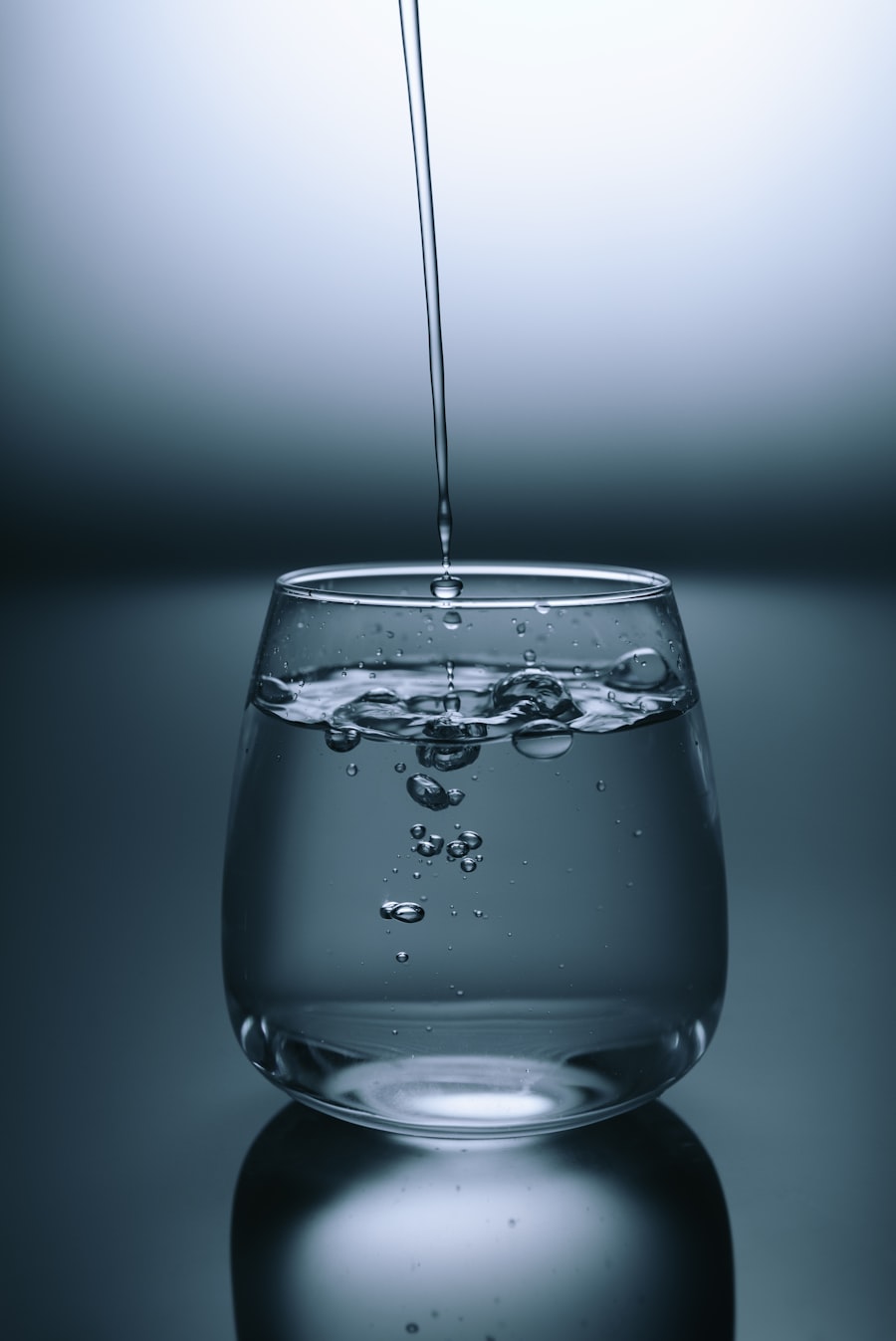
From Source to Tap
Drinking water systems typically involve source protection, multi-stage treatment (coagulation, filtration, disinfection), and a distribution network. Regular monitoring ensures that water meets quality standards for microbes, chemicals, and physical characteristics.
Global Progress and Gaps
Huge progress has been made in expanding access to improved water sources. Yet many communities, especially in rural areas and informal urban settlements, still lack reliable, safely managed drinking water. Climate change, pollution, and ageing infrastructure add new pressures even in places that currently have good services.
Access to safe drinking water is both a basic human need and a continuing global development goal.