States of Matter of Water
Ice, liquid water, and steam — and the unusual behaviour that makes water unique among common substances.
Water is the only common substance that naturally exists in all three states of matter — solid, liquid, and gas — within the normal temperature range of Earth’s surface. This simple fact underpins weather, climate, and life itself.

Solid: Ice
When water freezes at 0°C, its molecules form a hexagonal crystal lattice held by hydrogen bonds. Unlike most substances, ice is less dense than liquid water, so it floats. This property allows lakes and oceans to freeze from the top down, protecting aquatic life below.
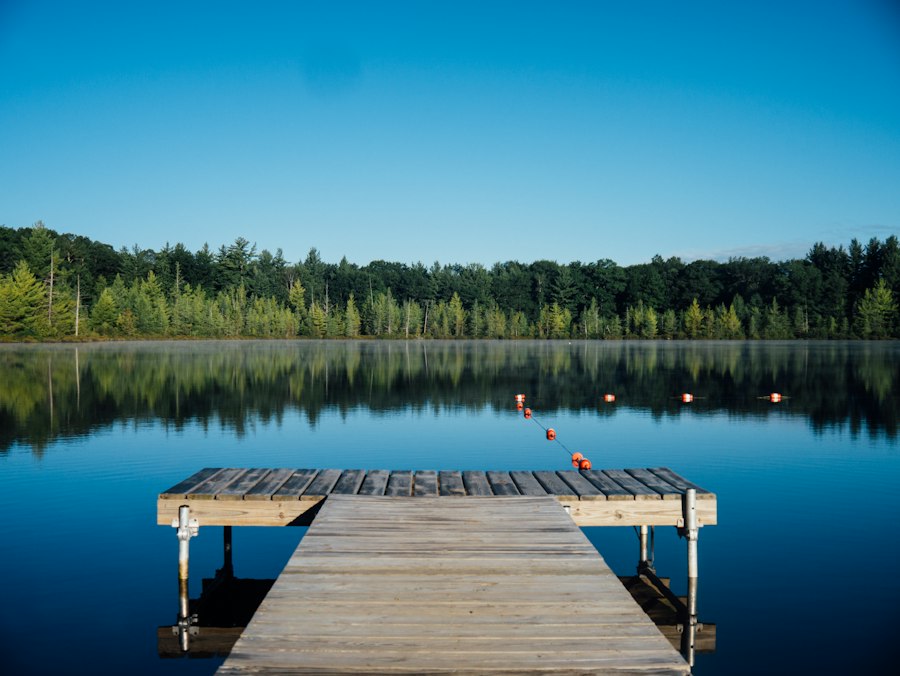
Liquid: Water
Between 0°C and 100°C, water exists as a liquid. Hydrogen bonds constantly break and reform, giving water its fluidity while still holding molecules close enough to create high surface tension and cohesion. These properties enable capillary action in plants and the formation of droplets.
Gas: Water Vapour (Steam)
Above 100°C at standard pressure, water becomes steam. In the atmosphere, water vapour is present at much lower temperatures and plays a central role in the water cycle, cloud formation, and the greenhouse effect.
Why the Unusual Freezing Behaviour Matters
Most liquids contract when they solidify. Water expands. This expansion can break rocks (frost weathering), burst pipes, and shape landscapes. More importantly, floating ice insulates water bodies and has allowed complex life to survive cold climates for millions of years.
The three states of water are not just a classroom topic — they are fundamental to Earth’s climate system and the survival of life.