How Wastewater Is Treated and Reused
From sewage and industrial effluent to clean water that can irrigate farms, supply industry, or even return to rivers — how modern treatment works and why reuse is essential.
Wastewater is water that has been used in homes, businesses, or industry and carries organic matter, nutrients, chemicals, and pathogens. Left untreated, it pollutes rivers, lakes, and groundwater. Treated properly, it becomes a valuable resource again.

The Main Stages of Wastewater Treatment
Primary treatment removes large solids and floating materials by screening and settling. Much of the suspended matter sinks to form sludge.
Secondary treatment uses microorganisms to break down dissolved organic pollution. Common methods include activated sludge and biological filters. This step greatly reduces oxygen-demanding waste.
Tertiary (advanced) treatment goes further: filtration, nutrient removal (nitrogen and phosphorus), disinfection (chlorine, UV, or ozone), and sometimes advanced processes for micropollutants. The result can be suitable for high-quality reuse.
Where Reused Water Goes
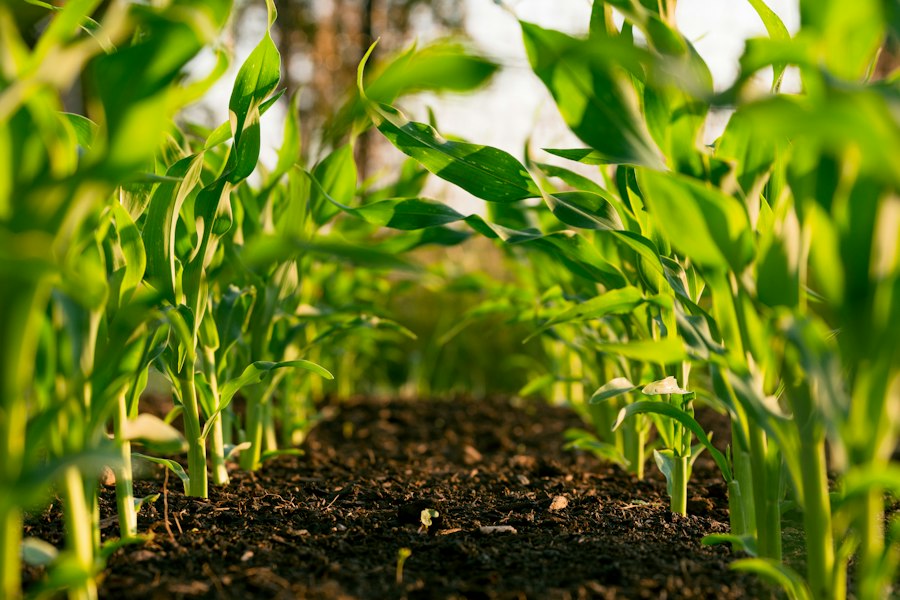
- Agriculture — Irrigation of crops and landscaping (with quality controls)
- Industry — Cooling, process water, and cleaning
- Urban non-potable uses — Toilet flushing, street cleaning, parks
- Environmental — River flow support and groundwater recharge (where regulations allow)
- Potable reuse — In some regions, highly treated water is blended into drinking supplies after rigorous safety checks
Why Treatment and Reuse Matter
Treating wastewater protects public health and ecosystems. Reusing it reduces pressure on rivers and aquifers, especially in water-scarce regions. Cities and industries that recycle water become more resilient to drought and growing demand.
Wastewater is not just a problem to dispose of — with proper treatment, it is part of the solution to water scarcity.