Water in Agriculture
Agriculture uses about 70% of global freshwater withdrawals. Efficient use of this water is central to food security and sustainability.
Growing food requires large amounts of water. From irrigation of crops to water for livestock, agriculture is by far the largest human use of freshwater worldwide. As populations grow and diets change, the pressure on water resources from farming continues to increase.
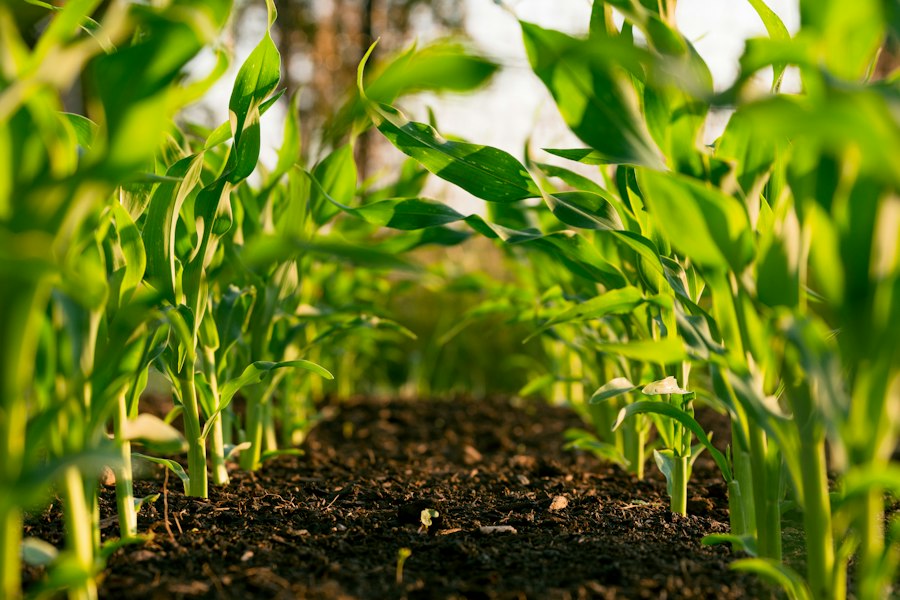
Why Agriculture Uses So Much Water
- Many staple crops (rice, wheat, maize) need substantial water during the growing season
- Irrigation expands production into dry regions but can be highly water-intensive
- Evaporation and seepage losses in traditional irrigation systems are significant
- Livestock and feed production also require large volumes of water
Improving Efficiency
Modern techniques are reducing waste:
- Drip and sprinkler irrigation deliver water more precisely than flood irrigation
- Precision agriculture uses sensors and data to apply water only when and where needed
- Drought-tolerant crop varieties and improved soil management help retain moisture
- Treated wastewater is increasingly reused for irrigation in water-scarce regions
The Bigger Picture
Sustainable agriculture must balance food production with the needs of rivers, aquifers, and ecosystems. Better water management on farms is one of the most important steps toward long-term water and food security.
How we grow food will largely determine how sustainably we use the planet’s limited freshwater.