The Water Cycle Explained Simply
How water moves continuously between the oceans, atmosphere, land, and living things — the hydrologic cycle that sustains life on Earth.
The water cycle (also called the hydrologic cycle) is the continuous movement of water on, above, and below the surface of the Earth. The same water has been circulating for billions of years through evaporation, condensation, precipitation, and collection.
Main Stages of the Water Cycle
- Evaporation — Liquid water turns into water vapour, mainly from oceans, lakes, and soil. The Sun provides the energy.
- Transpiration — Plants release water vapour from their leaves into the air.
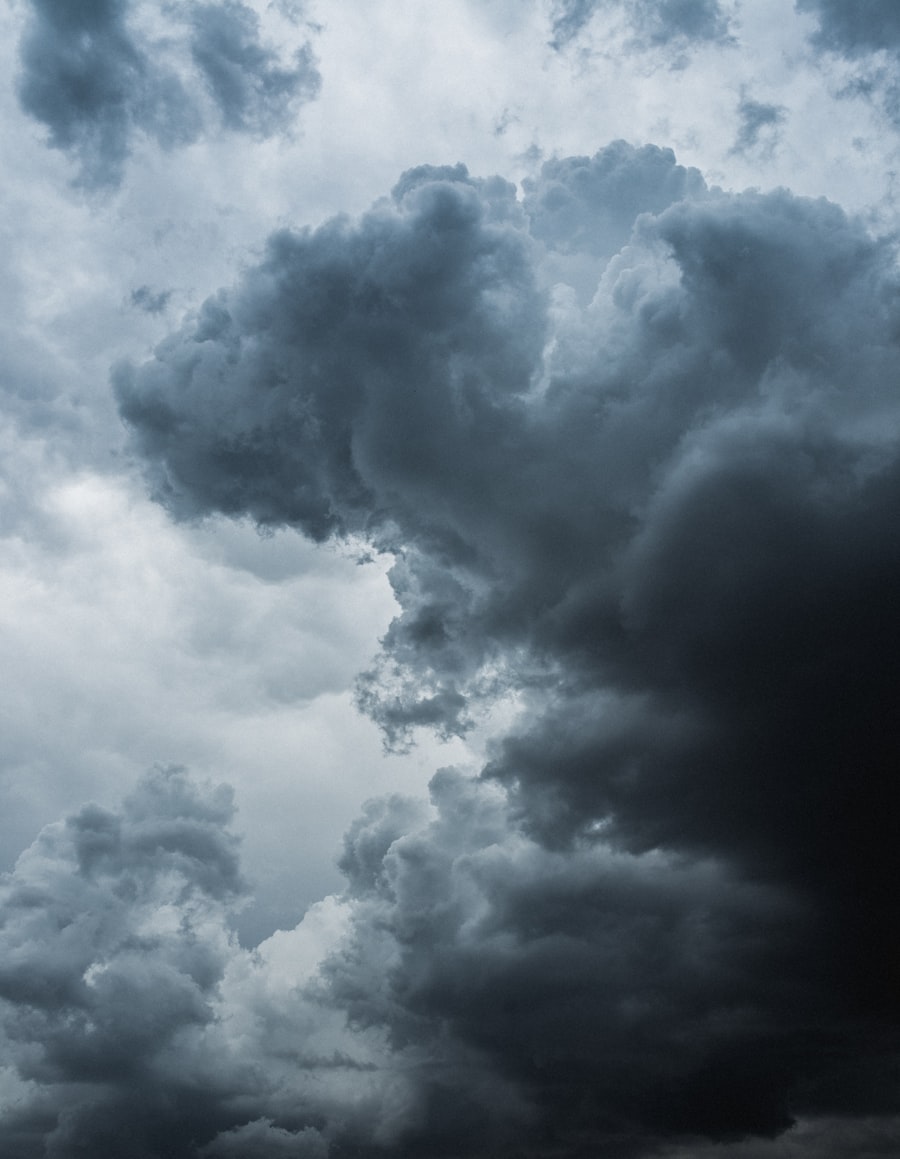
- Condensation — Water vapour cools and forms clouds (tiny water droplets or ice crystals).
- Precipitation — Water falls back to Earth as rain, snow, sleet, or hail.
- Collection / Runoff — Water flows into rivers, lakes, and oceans, or soaks into the ground as groundwater.
Why the Water Cycle Matters
The water cycle distributes freshwater across the planet, shapes weather and climate, refills rivers and aquifers, and supports all ecosystems. Without it, life as we know it could not exist.
Human Impact on the Water Cycle
Deforestation, urbanisation, dams, and climate change can alter evaporation rates, rainfall patterns, and groundwater recharge. Understanding the water cycle helps us manage water resources more wisely.
The water cycle is one of the most important natural processes on Earth — simple in concept, powerful in effect.