Home / Learn / How to Store Drinking Water Safely at Home
How to Store Drinking Water Safely at Home
Safe drinking-water storage: container choice, cleaning, light and heat, how long to keep emergency water, and mistakes that recontaminate clean water.
Direct answer
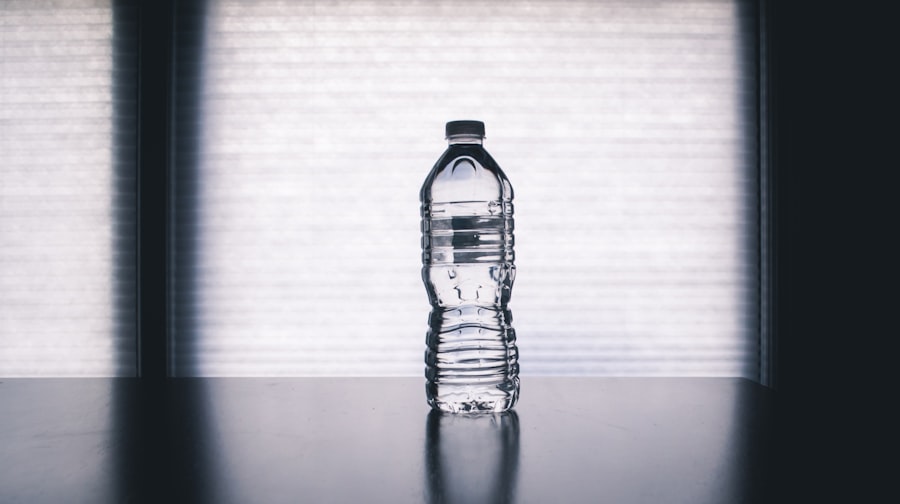
Store drinking water in clean, food-grade containers with tight lids, kept cool and dark when possible. Start with water that is already safe (treated municipal supply or properly disinfected water). Replace long-term emergency stores periodically, and never pour clean water into a dirty container — recontamination is a common failure point.
Choose the right container
- Food-grade plastic designed for drinking water, or glass with a secure lid
- Avoid containers that previously held chemicals, fuel, or non-food liquids
- Prefer opaque or stored-in-dark locations; sunlight encourages algae in clear bottles over time
- For emergency kits, commercially bottled water in sealed bottles is a simple option
Cleaning before filling
Wash with hot soapy water, rinse thoroughly, and sanitise if the container is reusable (for example a mild bleach solution used carefully, then rinsed until no chlorine smell remains — follow public-health guidance for concentrations and contact time). Let containers air-dry if possible before filling.
Fill with water that is already safe
Storage does not make unsafe water safe. Use:
- Municipal tap water that meets standards in your area
- Water you have boiled or disinfected according to trusted guidance when the source is uncertain
- Sealed commercial bottled water for emergency reserves
If a boil-water notice is active, follow local instructions before storing large volumes.
Where and how long to store
- Cool, dark place away from fuels, pesticides, and strong-smelling chemicals (plastics can absorb vapours)
- Emergency stores: many agencies suggest rotating every 6–12 months for home-filled containers; sealed commercial bottles follow the bottle date
- Daily kitchen use: refill clean bottles often rather than keeping the same open bottle for weeks
Mistakes that undo safe storage
- Dipping a used cup into the storage container
- Leaving wide-mouth containers open on the counter
- Using a garden hose that is not potable-rated to fill “drinking” barrels
- Storing water in a hot car or in direct sun for long periods
Link to wider water knowledge
Safe storage is the last step after source quality and treatment. On Water Omnis, pair this topic with filtration basics and regional water-quality context so storage is not treated as a stand-alone fix.
Educational overview for general understanding. Local water quality, regulations, and product certifications vary. For health decisions about your supply, use official water-quality reports and qualified local advice. See our Privacy Policy and About pages.