What Makes Drinking Water Safe?
Safe water is free from harmful levels of pathogens and chemicals — verified by standards and treatment.
Drinking water is considered safe when it does not contain harmful levels of disease-causing microbes or dangerous chemicals, according to health standards. Safety is confirmed by treatment, disinfection, and regular testing — not by appearance alone.
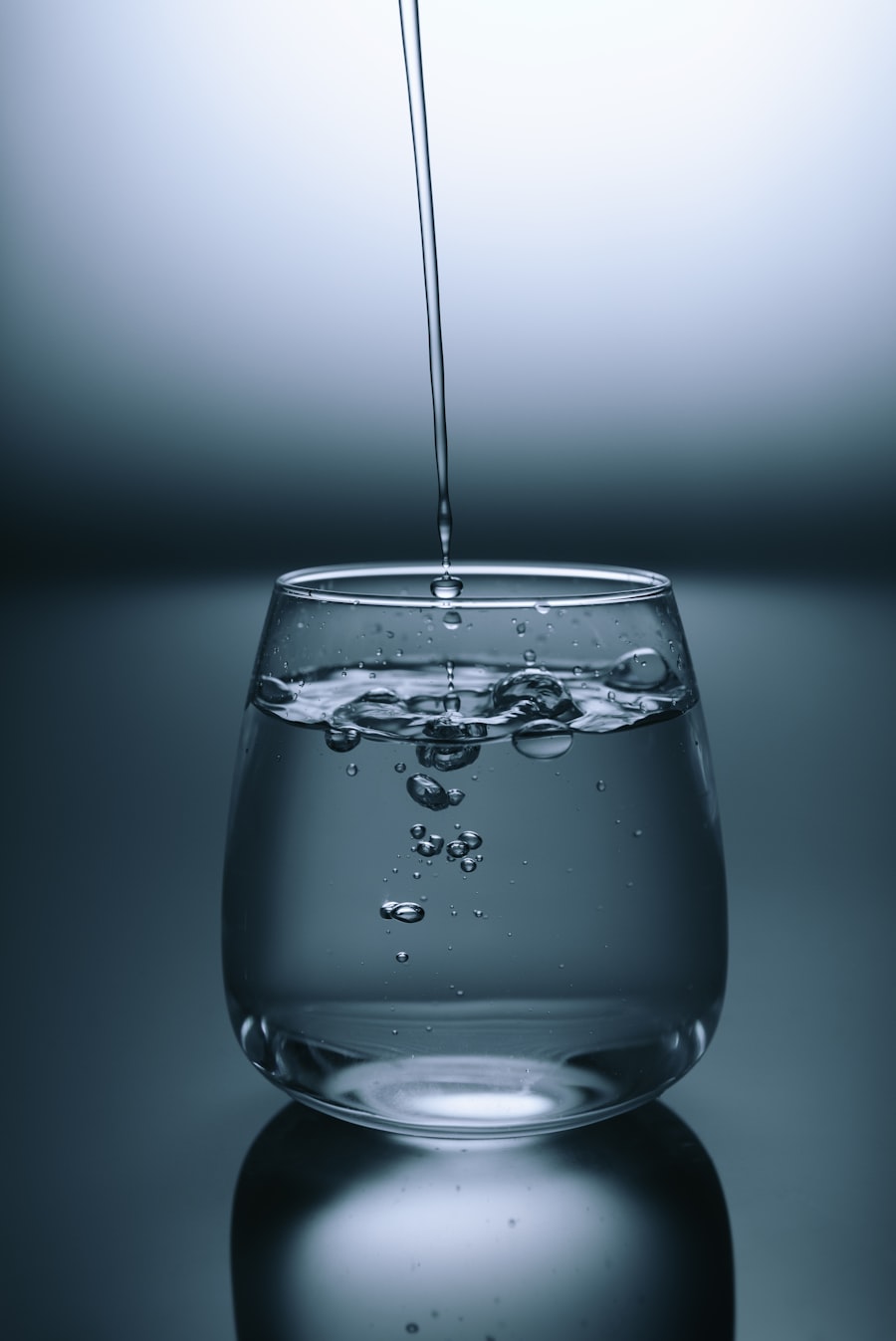
Safety is not about looking clear. Invisible microbes and dissolved chemicals can make water unsafe. Public systems use multiple barriers: source protection, treatment, disinfection, and network maintenance.
Main Risks
- Bacteria, viruses, and parasites
- Nitrate and some agricultural chemicals
- Arsenic, fluoride, and other natural contaminants
- Lead and metals from plumbing
Boiling kills many microbes but does not remove most chemicals. Different problems need different solutions.
For Households
When in doubt, follow local public health advice. Point-of-use filters help only if chosen for the specific risk. Testing is the only way to know groundwater quality.
Clear water is not always safe water — and safe water is a public good.