Scientists Discover Vast Hidden Aquifer Beneath the Sahara Desert
One of the largest underground freshwater reserves ever mapped could reshape water security for millions across North Africa.
Deep beneath the scorching sands of the Sahara Desert lies a vast hidden treasure — not gold or oil, but water. Scientists using advanced satellite technology and ground-penetrating radar have confirmed the existence of an enormous aquifer system that could hold enough freshwater to transform the future of several North African nations.
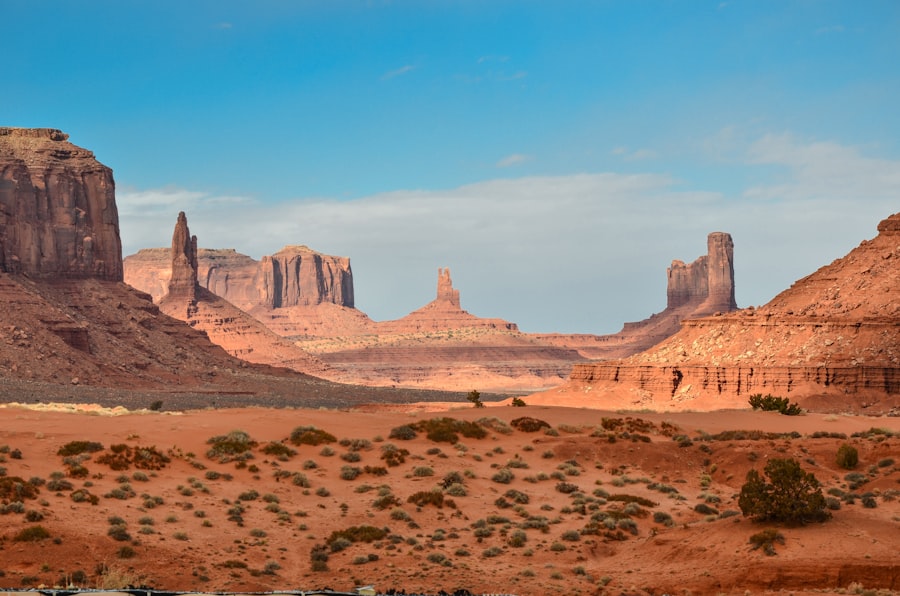
The discovery, led by researchers from NASA in collaboration with European and African institutions, has revealed a massive underground reservoir stretching across parts of Libya, Egypt, Sudan, and Chad. Early estimates suggest the aquifer may contain hundreds of thousands of cubic kilometers of water — making it one of the largest known fossil water reserves on Earth.
What is Fossil Water?
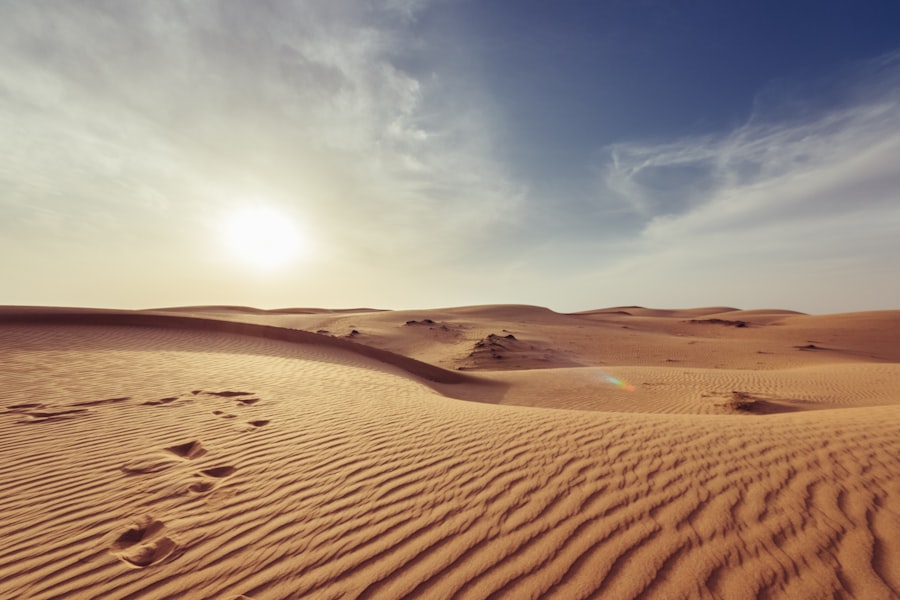
Unlike rivers and lakes that are regularly recharged by rainfall, much of the water in the Sahara aquifer is “fossil water.” This means it accumulated thousands to millions of years ago during wetter climate periods when the Sahara was green and lush. Once extracted, this water is not easily replaced under current desert conditions.
Why This Discovery Matters
North Africa is one of the most water-stressed regions in the world. Countries like Egypt already depend heavily on the Nile, while Libya and others have long relied on limited underground reserves. A confirmed large aquifer offers both hope and serious responsibility.
- It could support agriculture and drinking water for millions of people
- It may reduce dependence on expensive desalination in some areas
- It raises important questions about sustainable extraction and cross-border water rights
The Challenge of Using It Wisely
Experts warn that uncontrolled pumping could rapidly deplete the resource. Fossil aquifers do not recharge quickly. History has already shown the risks — Libya’s Great Man-Made River project, which taps similar underground water, has faced sustainability concerns for decades.
Scientists recommend careful management, international cooperation, and advanced monitoring systems before large-scale extraction begins.
A Window into Earth’s Past
Beyond its practical value, the aquifer is also a scientific time capsule. Studying this ancient water helps researchers understand how climate changed across North Africa over tens of thousands of years — and how deserts expand and shrink with global climate shifts.
The discovery reminds us that even in the driest places on Earth, water still shapes the story of human survival — hidden, ancient, and extraordinarily precious.