Sustainability
6 min read
What is a Water Footprint?
The total volume of freshwater used to produce the goods and services we consume — including the “virtual water” hidden in food and products.
A water footprint measures the amount of freshwater used to produce a product or support a person, company, or country. It includes water you see (like drinking and washing) and the much larger amount of “virtual water” used to grow food, make clothes, and manufacture goods.

Three Components of a Water Footprint
- Blue water — Freshwater from rivers, lakes, and aquifers (irrigation, industry, domestic use)
- Green water — Rainwater stored in soil that plants use
- Grey water — The volume of freshwater needed to dilute pollutants to acceptable levels
Examples of Virtual Water
- 1 kg of beef can require thousands of litres of water (feed + drinking water)
- 1 kg of rice or cotton also has a high water footprint depending on how and where it is grown
- A pair of jeans or a smartphone embeds significant water used in manufacturing
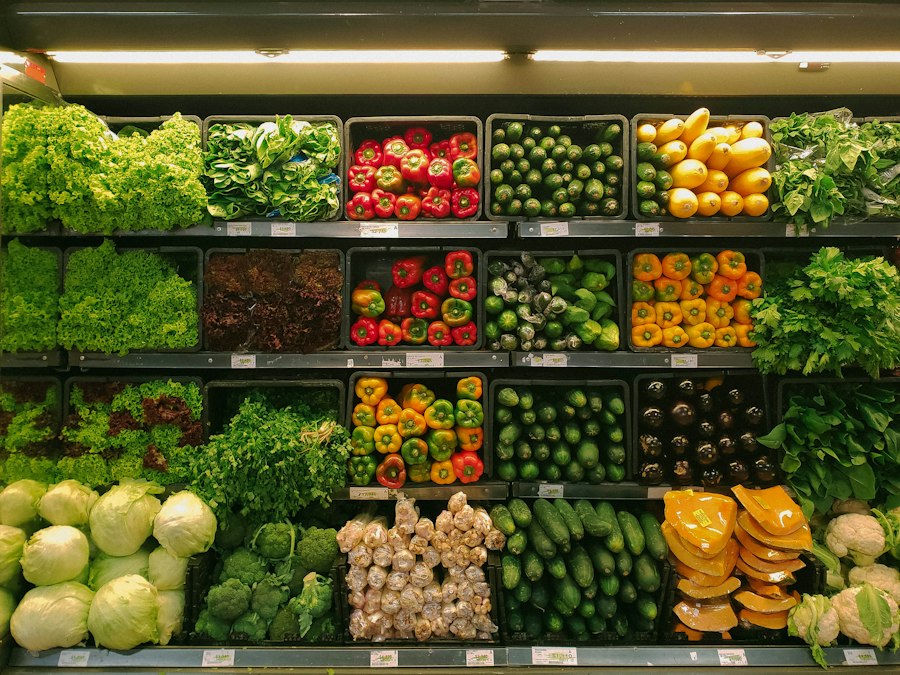
How to Reduce Your Water Footprint
- Reduce food waste
- Eat more plant-based meals and less water-intensive products where possible
- Choose efficient appliances and fix leaks
- Support products and companies that use water responsibly
- Be aware that imported goods carry water used in other countries
Understanding your water footprint reveals that water use is not only about the tap — it is about everything we consume.