Drip Irrigation vs Sprinklers: Water Use Compared
Both water plants — but they lose very different amounts to wind and evaporation.
Drip irrigation delivers water slowly at the soil near plant roots. Sprinklers spray water into the air over a wider area. For the same garden, drip systems usually use less water because less is lost to wind and evaporation.
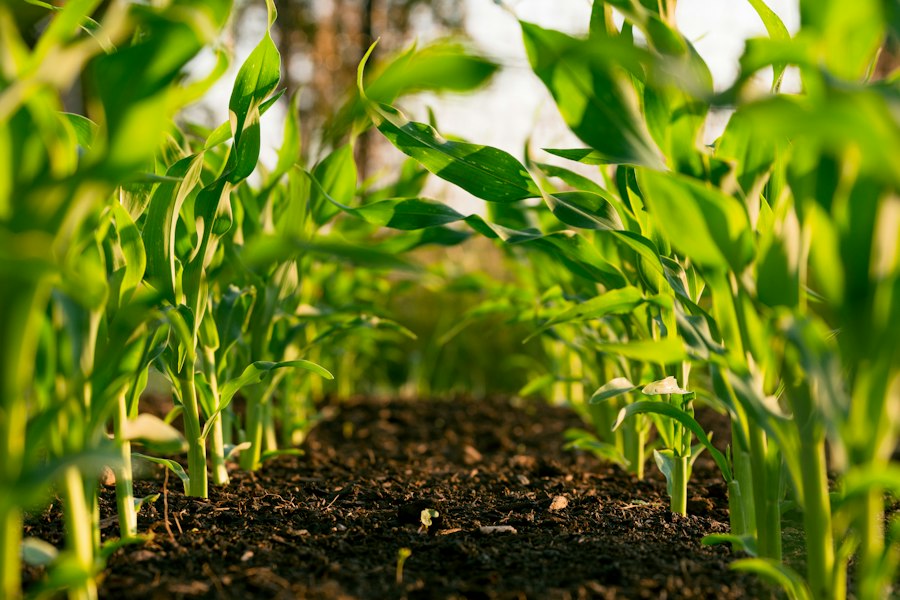
Efficiency comparison
- Drip / micro-irrigation — Often 80–95% application efficiency when well designed
- Sprinklers — Often lower efficiency outdoors, especially in wind and heat; good for lawns and some crops
- Flood / furrow — Can waste more unless carefully managed
When sprinklers still make sense
Large turf areas, frost protection in some orchards, and crops that need overhead moisture may still use sprinklers. Uniform coverage is easier for some layouts. The trade-off is higher evaporative loss.
Technology in practice
Farms in water-scarce regions increasingly adopt drip for high-value crops. Landscape professionals use drip for shrubs and beds and sprinklers for lawns. Smart controllers and soil-moisture sensors improve either method by watering only when needed.
For water savings in gardens, drip at the root zone usually beats midday spray irrigation.